 P01
P01
Hello, Cog
2026-08-22
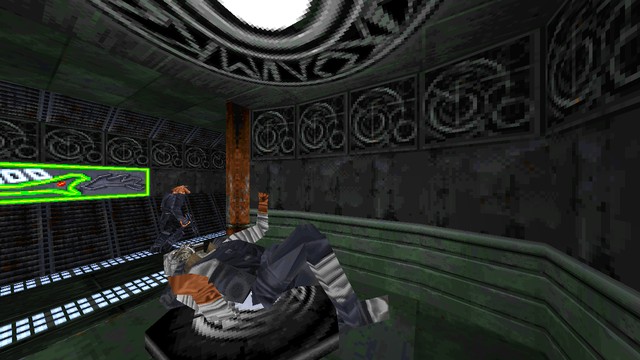
The first light. A single COG dropped loose in the basefolder overrides the one inside the stock GOB, and its Print() comes back out to the test harness.
cogharness
NO DOWNLOAD YET
DETAILS
The numbered experiments the pipeline was built out of, in the order they were run. One question each; the finding under each card is what the engine actually did, which was regularly not what was expected.
These are living projects, not finished releases. A level is rebuilt whenever something is learned — a lighting rule, a texture orientation, a whole detail pass — and it keeps its filename through all of it. The build number is how to tell which one you have: it is printed in the readme inside every zip, and it only moves when the level's bytes actually change.
59 gallery tiles are still harness working frames, flagged on the tile: P03 1 · P05 1 · P06 1 · P07 2 · P08 2 · P09 1 · P10 1 · P12 1 · P14 1 · P15 2 · P16 1 · P23 3 · P25 2 · P44 1 · P48 2 · P51 2 · P52 11 · P54 14 · P55 1 · P58 9.
P01
The first light. A single COG dropped loose in the basefolder overrides the one inside the stock GOB, and its Print() comes back out to the test harness.
 P02
P02
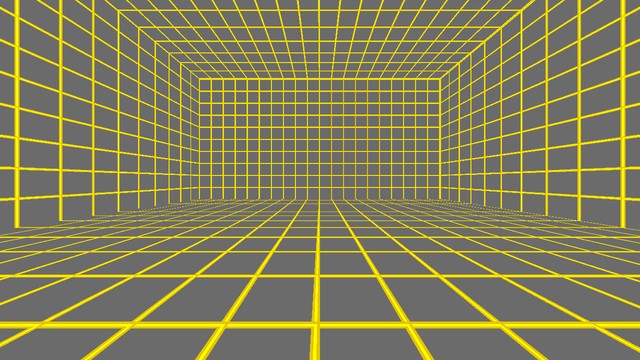
The smallest level this engine will accept: one sector, six surfaces, a spawn point. The floor grid is deliberately loud so that every later experiment can see itself.
 P032 SHOTS
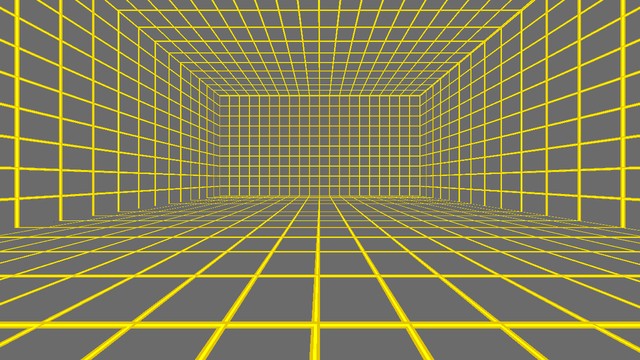
A row of floor tiles, each its own surface, each wired to a note. Walk across them and the room plays. The first project where a generated level does something.
 P043 SHOTS
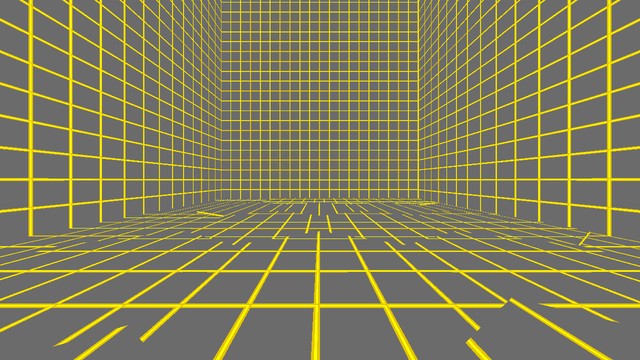
A field of hexagonal pillars generated as a 3DO with its own template and class cog. Stand on one and it rises — three different ways, so the three can be compared.
 P053 SHOTS
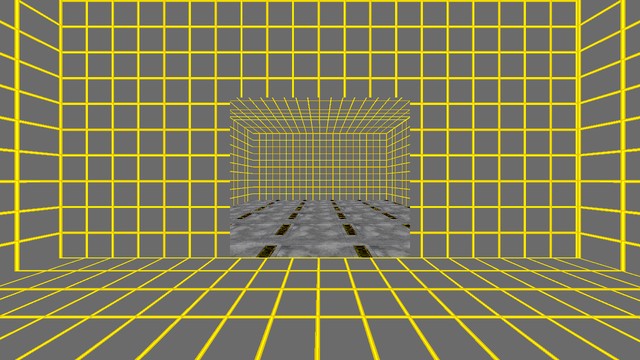
Two sectors and the hole between them. Adjoins are how every JK level is more than one room, so this one builds the pair by hand and then walks through it — with a walled-off negative control.
 P063 SHOTS
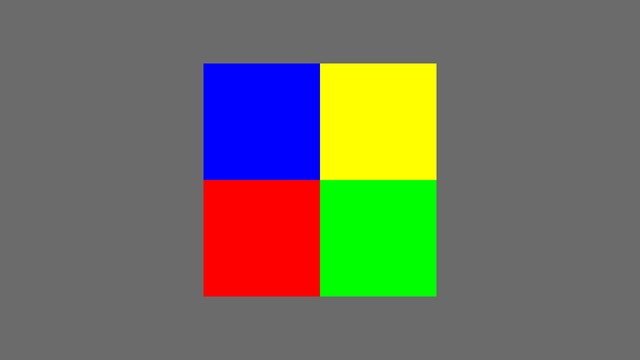
Four flat quadrants of pure colour, on a MAT written from scratch. The image is chosen so the checker can assert on actual rendered pixels rather than on whether something appeared.
 P072 SHOTS
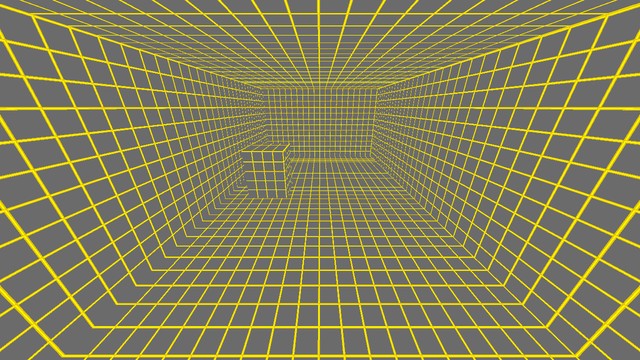
The same room, five ways, to find out where a generated level's brightness actually comes from. Most of the obvious answers turn out to be doing nothing at all.
 P085 SHOTS
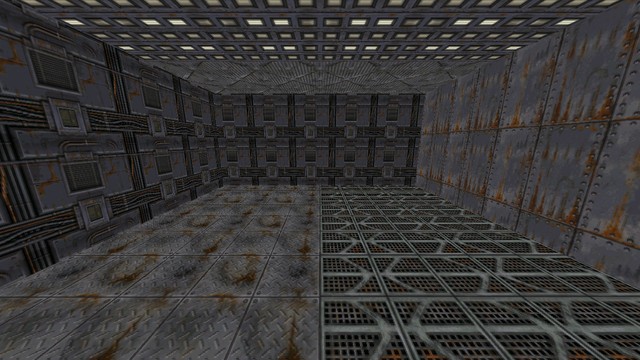
The first room that looks like a room. Six generated 16-bit textures carry their own colour, so no colormap has to be matched and no 256-colour palette gets in the way.
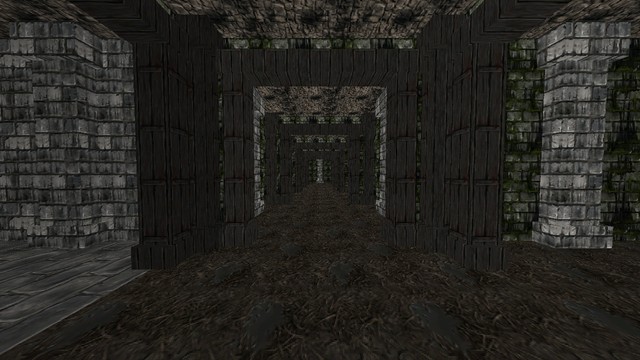 P096 SHOTS
Twenty-eight sectors, 366 surfaces, 66 adjoin halves and 128 braces — all grown from a six-line ASCII map by an edge-mask kit. Not one sector was placed by hand.
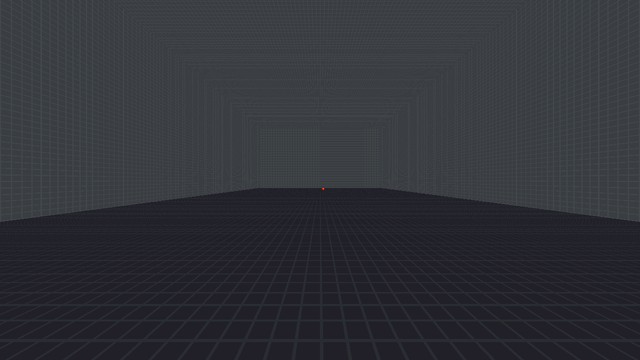 P102 SHOTS
Kyle arrives in a generated level holding nothing that works. This one finds the shortest path from that to a bolt actually leaving the barrel and hitting a wall.
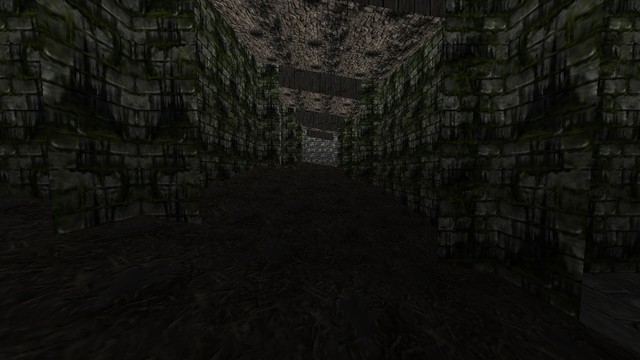 P113 SHOTS
The modular grid, now with height. Twenty-nine sectors and 390 surfaces of ramps, trapezoid walls and sloped adjoins climbing over six levels — and the player really walks up it.
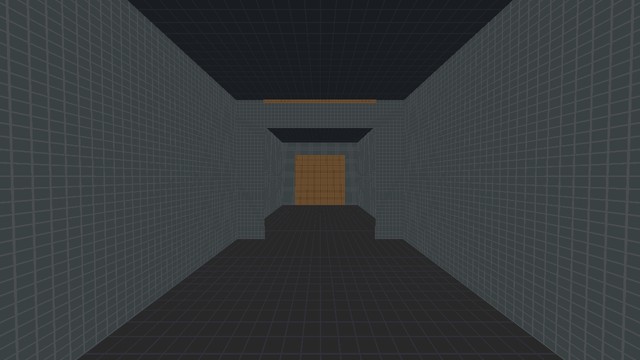 P122 SHOTS
Every door in the level driven by one class cog, with no SECTION: COGS rows at all — and a shut door that genuinely stops you, verified by walking into it.
 P13
P13
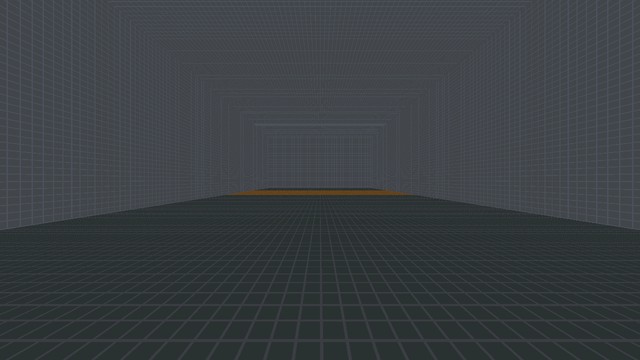
A cog calls a cog calls a cog, and every hop prints what it was handed. Unglamorous, and the reference every later multi-cog project leans on.
 P142 SHOTS
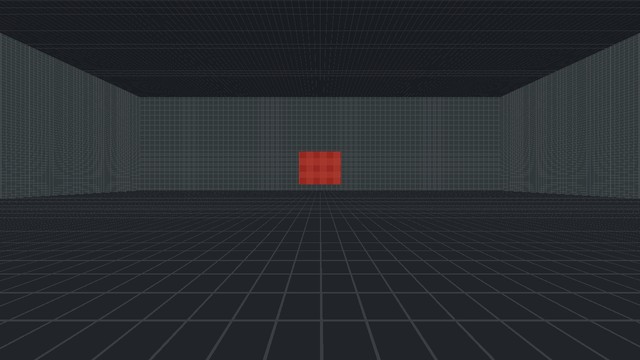
Four targets, one class cog, and a pistol. Shoot them and they go down and stay down — the first project where the player's own weapon drives the game.
 P154 SHOTS
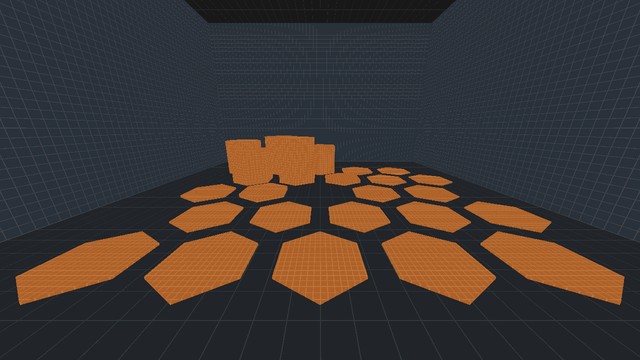
A fan of hex panels that rises out of the floor in proportion to how directly you look at it. Look away and it settles. No buttons, no triggers — just gaze.
 P163 SHOTS
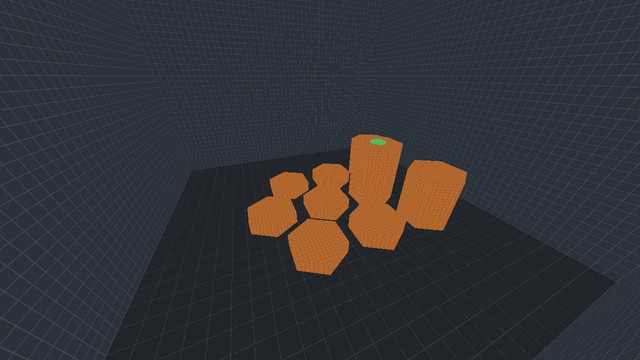
A platform driven to arbitrary positions that you can still stand on while it moves. Sounds trivial; is the difference between a lift and a thing that slides out from under you.
 P173 SHOTS
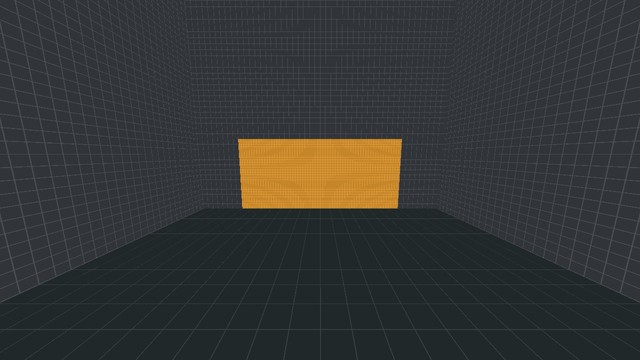
Jedi Knight will not tell a level cog where the player is looking vertically. This one works it out anyway, from one helper thing that exists for the length of a single subroutine.
 P183 SHOTS
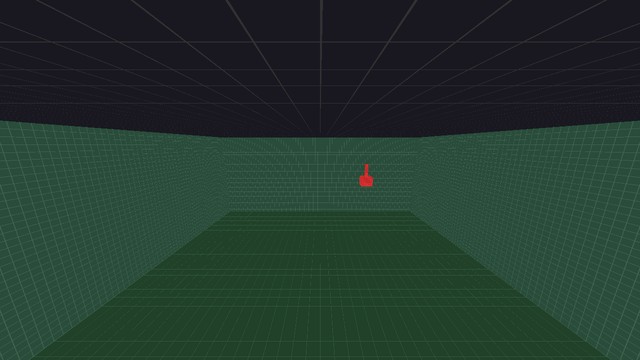
Your body is frozen and your keys drive something else in the room. A survey of exactly how much of the player's input a plain level cog can take, with no mod anywhere.
 P193 SHOTS
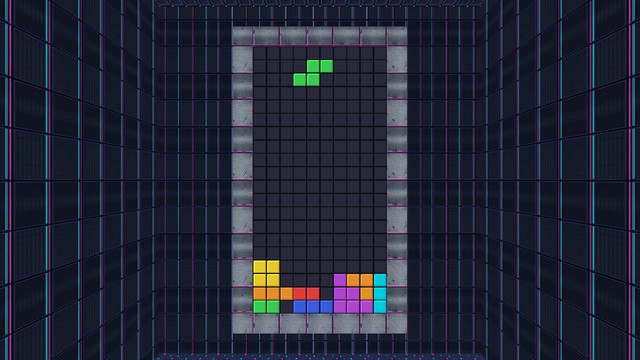
It is TETRIS, and it is running inside one level COG. No mod, no DLL, no extended verbs, and not one thing on the board — the well is 200 wall surfaces and the game is 200 slots of the cog heap.
 P20
P20
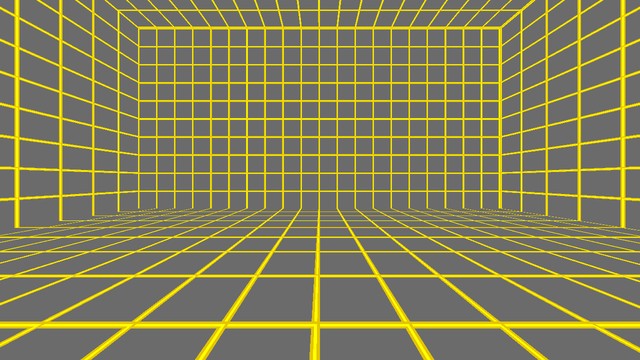
Synthesised WAVs, written by us, loaded and played positionally by a thirty-year-old engine. The room is plain on purpose — the whole project is audible, not visible.
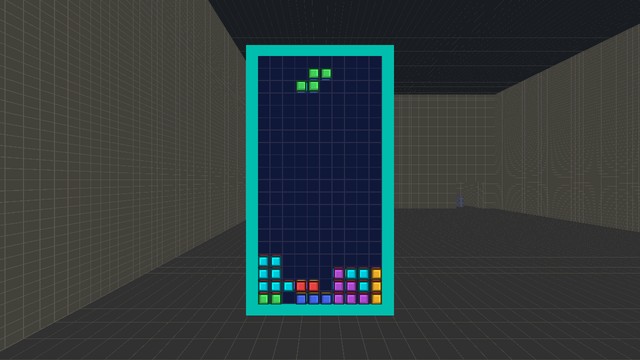 P213 SHOTS
Tetris in a class cog on ONE THING. Walk up to a pillar, press Use, and a 10×20 well builds itself out of 200 cubes in front of it. Two kiosks from one template, sharing one heap.
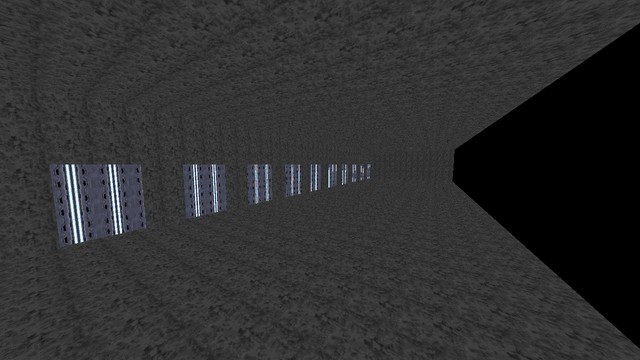 P22
P22
A corridor with ten panels. Each is wired to its own COG, identical except for dead padding — 100 if-blocks behind the first, 1000 behind the last. Press each one and read what it prints. This is a…
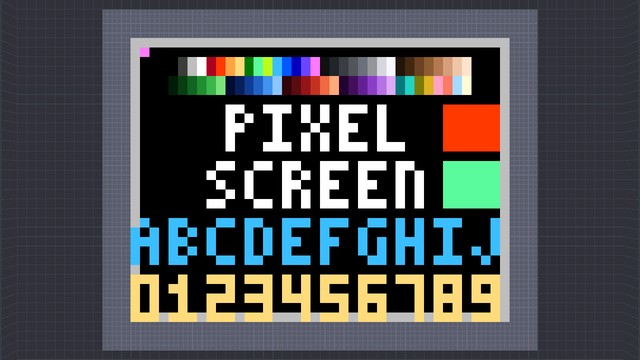 P23A5 SHOTS
The screen on its own, before a game was plugged into it. A test card, a font and a palette strip on a wall of individually addressed surfaces — and then the same cog again, much bigger.
The other half of p23, built in parallel: one reusable cog that captures, debounces and forwards the player's keys while knowing nothing whatsoever about its client.
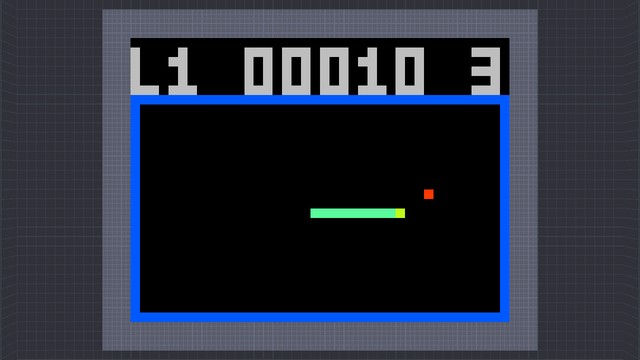 P236 SHOTS
A 40×30, 64-colour pixel display cut into the wall of a Jedi Knight room, driven by a game running in a separate COG. The screen does not know what SNAKE is, and SNAKE does not know how a pixel gets drawn…
What a trigger actually is, measured rather than assumed — because digitron's whole protocol was about to be built on top of one. No screenshots: this project is a transcript.
 P253 SHOTS
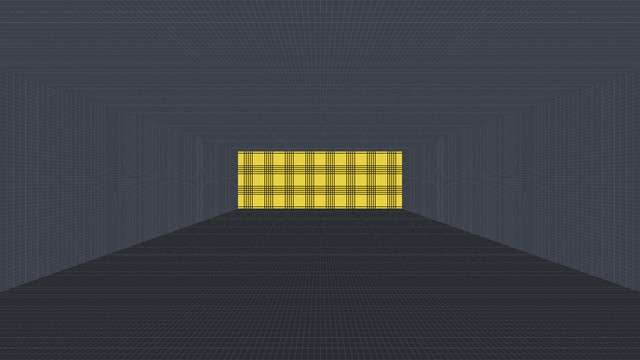
A one-room multiplayer probe. Four spawn seats, a wall of 200 switchable panels, and cogs that print what the engine thinks the session is: IsMulti, IsServer, GetNumPlayers, which walkplayer is yours, and…
 DGTB
DGTB
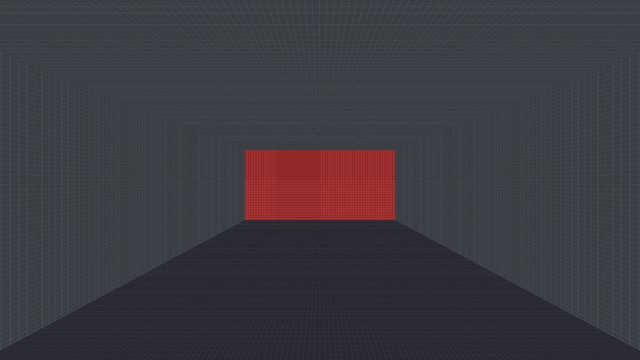
The DIGITRON trigger protocol on a bare rig: one room, three cogs, no screen. The client renders by PRINTING, so the STATE / INTENT / RESYNC wire can be measured with nothing else in the frame.
 DIGITRON4 SHOTS
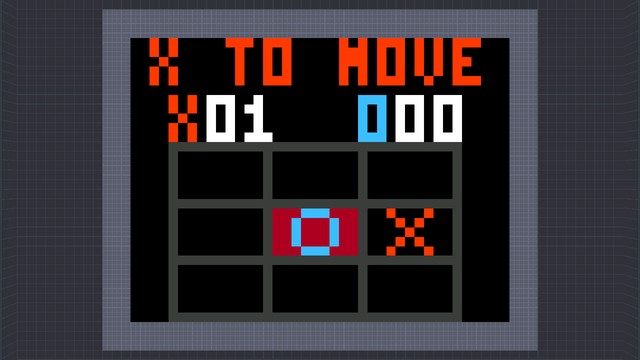
A server-authoritative game of TIC-TAC-TOE on a 40×30, 16-colour pixel display cut into a wall. One cog owns the rules, another owns the pixels, and the wire between them carries GAME STATE ONLY — nine cells…
 P263 SHOTS
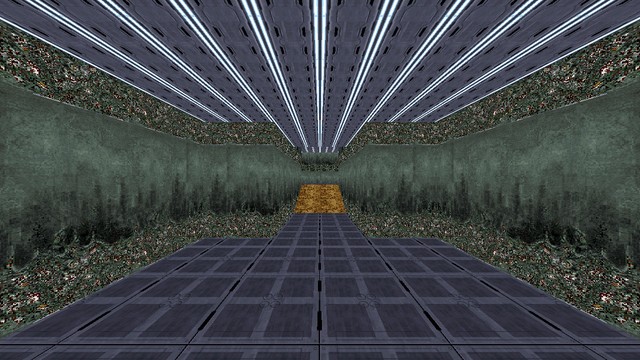
The level-design inner loop. Fifteen static checks plus the engine's own parse, so an agent can edit a JKL and get a verdict the way a JED user hits save-and-test.
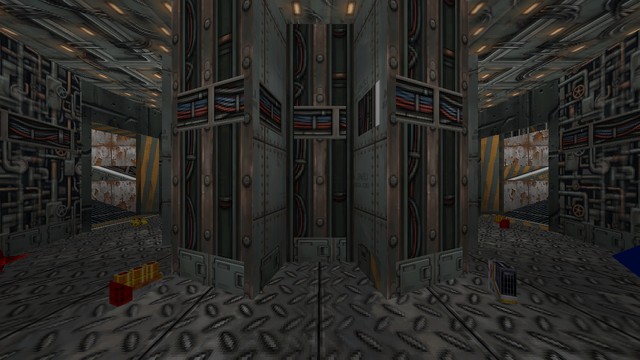 P438 SHOTS
Can a level be built almost entirely out of ONE module rotated sixteen times — a curved ring around a solid core — and still play as a deathmatch map with real cover, real height, walls you can see the…
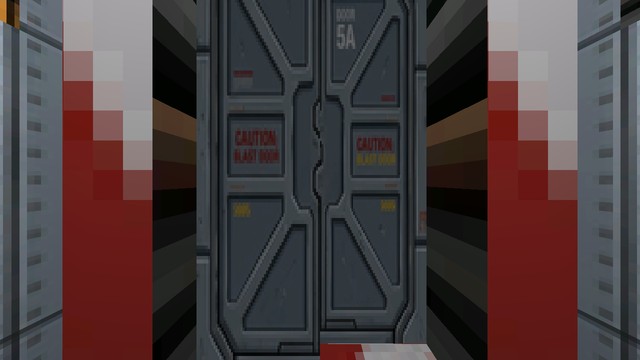 P4410 SHOTS
Can a hand-drawn floorplan become a playable singleplayer mission — and then a SECOND one in the same episode, with doors that open and a mission that ends?
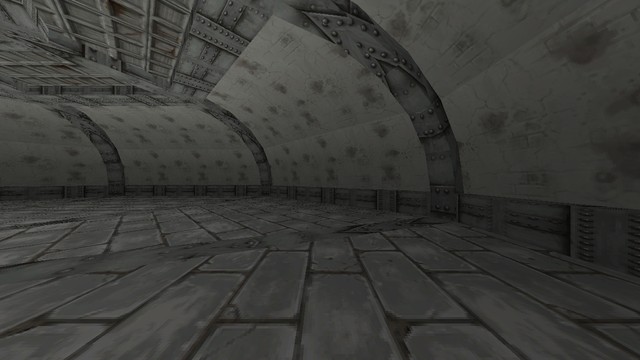 P458 SHOTS
Can a grid-rotation loop — a profile lathed around the origin, braced at every joint and cut on the brace's own lines — be built four times over by four different orders of operation, and do the four come out…
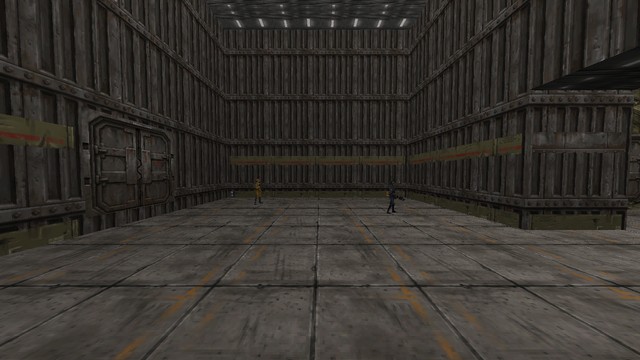 P468 SHOTS
Can the p44 pipeline be driven entirely from a shared campaign.Level table, and can a level be fought through Imperial officers and commandos rather than plain stormtroopers?
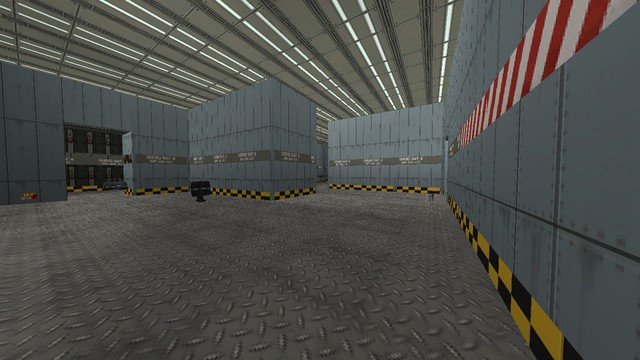 P478 SHOTS
What does a level do for jeopardy when its enemies cannot hurt you? Stock droids are unarmed and their only combat instinct is Flee — so the turrets have to carry the level, and a turret never moves.
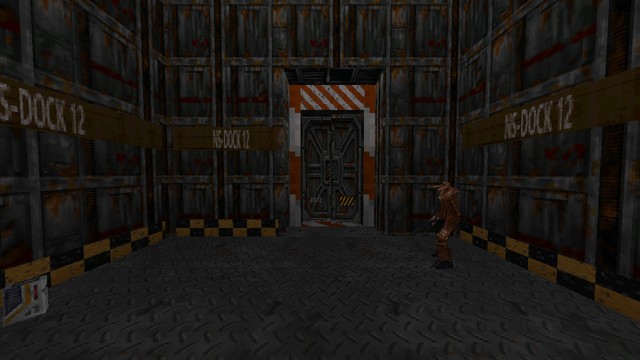 P488 SHOTS
Do dense small rooms with many doors and crossfire sightlines make alien mercenaries read differently from Imperials — and what happens to a geometry checker in a level that kills the thing it is measuring…
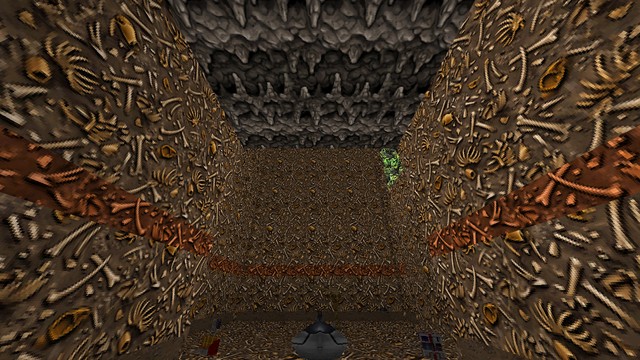 P498 SHOTS
Can rooms adjoin each other DIRECTLY, with no corridors at all, and still have real wall thickness — and does a flying enemy need vertical space to be anything but a walker that hovers?
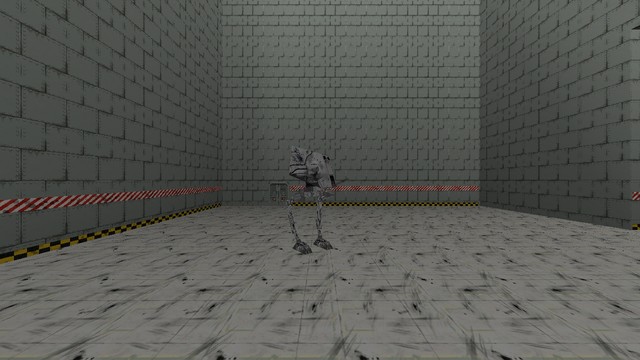 P508 SHOTS
Can an AT-ST fit? Its collision radius is 0.300 — 4.6× a stormtrooper — where a p44-scale level runs 0.35 corridors and 0.90 ceilings. What does a level look like when the biggest enemy is a plan-validator…
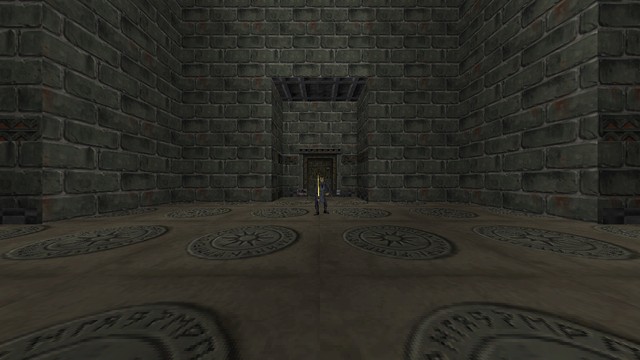 P518 SHOTS
What is the MINIMUM rigging for a Dark Jedi boss battle — a saber-wielding Yun who can be fought and killed in a generated level, with no cutscenes and no CD audio?
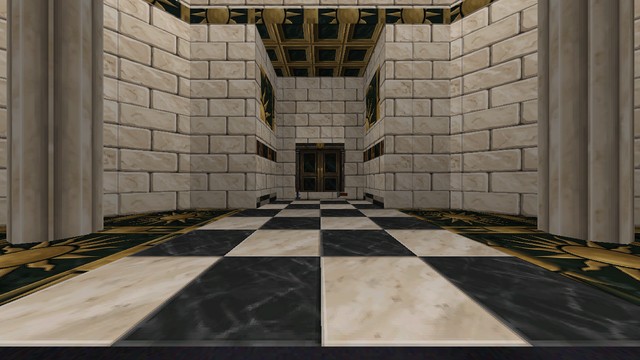 P5212 SHOTS
Can ONE generation-2 pipeline produce a SIX-LEVEL chained episode of Dark Jedi boss arenas — Yun, Sariss, Gorc and Pic together, Maw, a Jerec clone, and the real Jerec in a Sith temple who meditates…
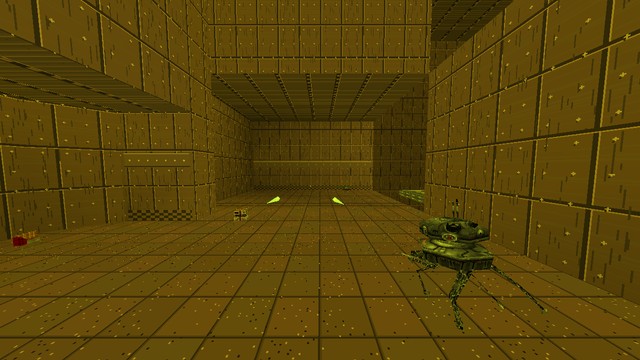 P5311 SHOTS
Can this pipeline produce an EIGHT-LEVEL AAA singleplayer campaign — one continuous descent with objectives, retail secrets, doors, a rider-carrying lift, an escalating enemy roster and a final duel — from one…
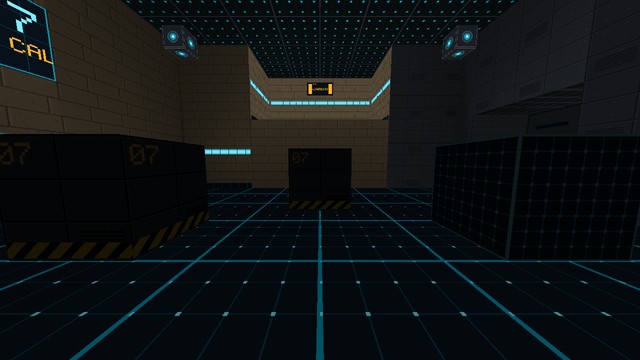 P5425 SHOTS
Is a TRAINING-SIMULATOR aesthetic — grid-true geometry, hard right angles, emissive trim, exposed projector housings, scenery that materialises and de-materialises in front of you — a style this toolchain does…
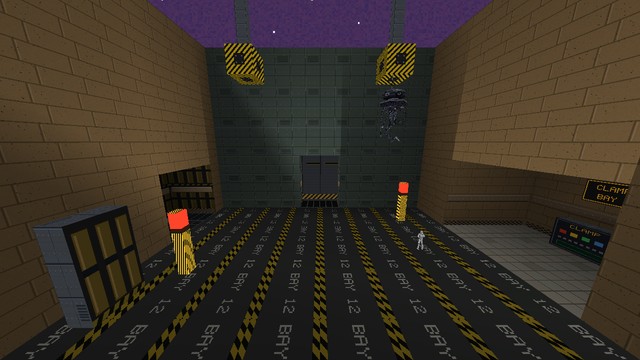 P5527 SHOTS
Can the campaign pipeline ship a six-level singleplayer episode with no Dark Jedi in it, where every objective a player completes is tested on the player's own path, every level agent runs its own level in the…
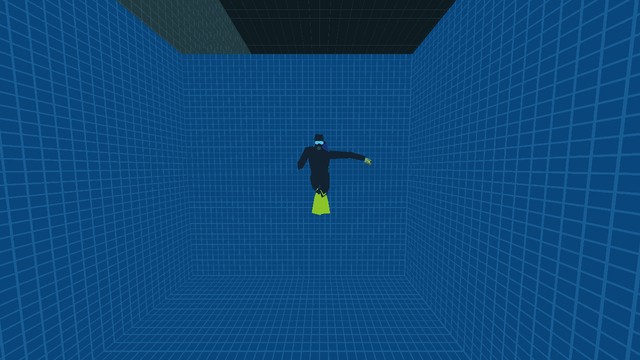 P5611 SHOTS
A dry room with a square pool sunk into its floor and an air tank leaning against the wall -- the tank off the diver's own back. Press Use on it and you are a diver in mask, tank and fins on the spot, in or…
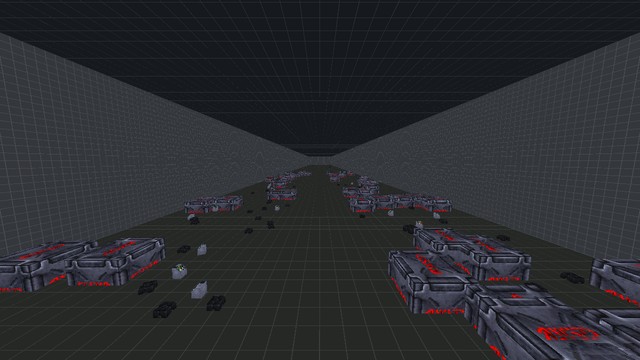 P573 SHOTS
A long bare hall with five hundred and fifty crates and consoles that are not in the level file at all. A drag-and-drop page strips them out of the editor's JKL and writes a runtime that brings each one back…
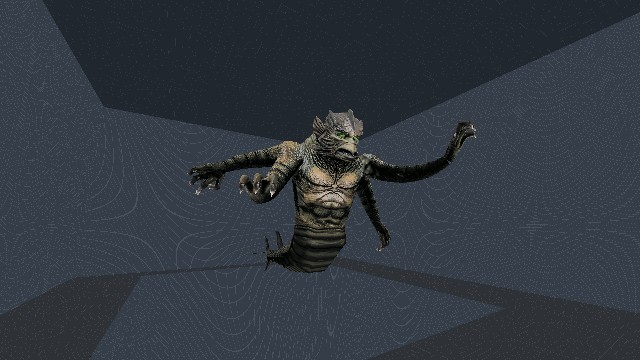 P589 SHOTS640×480
A hall with a pit, Gnarly's giant four-armed kraken over it, and seven buttons. Make it wave its arms, smash the floor in front of it with a hand, fire concussion bolts from its eyes at you, sink into the pit…
 P5913 SHOTS
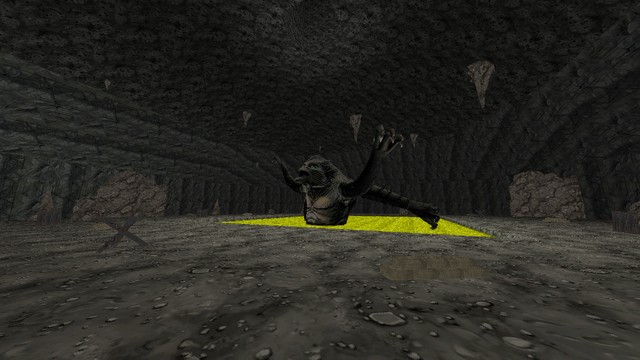
Can a generated cave hold a boss ~25 players tall -- rising out of an acid lake it can hide under, fighting from it in stages, with cover that breaks its line of sight and a floor big enough to run and strafe…
 P604 SHOTS
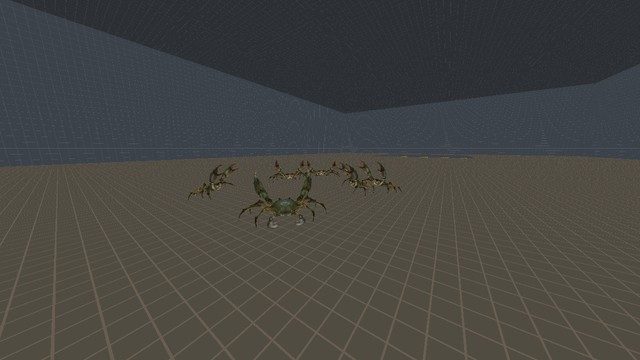
Gnarly's crab, made a Jedi Knight enemy you can drop into any level: scaled down, animated (a sideways scuttle, side-steps, a claw smash, a pincer snap, a pounce, and a death that flips it onto its back), and…
 P614 SHOTS
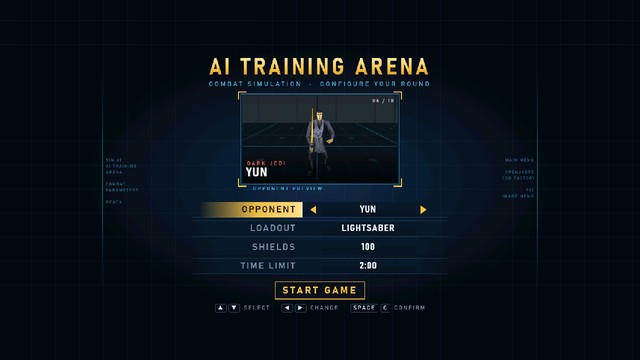
An in-game menu made of pictures. You spawn in a sealed black room and the view cuts straight to a menu screen: choose an opponent (four kinds of wave, a mixed squad, or a Dark Jedi: Yun, Sariss, Gorc and Pic…
 P627 SHOTS
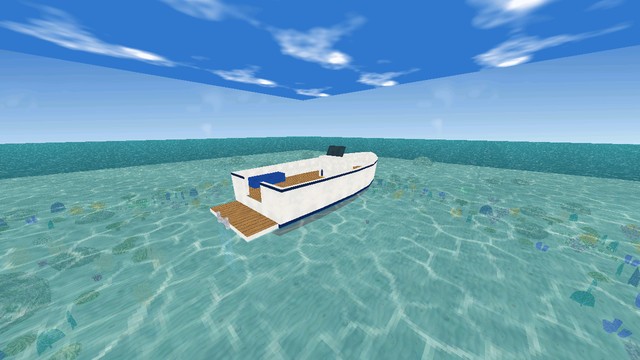
Can one big shallow water sector hold a whole reef -- a boat you spawn on and climb back onto, scuba gear, far more coral than the engine's 640 things, and schools of fish -- and read as a reef from the boat…